Where Jerez flamenco was formed
Santiago and San Miguel: Jerez barrios
The two old districts that shaped Jerez flamenco, how they grew outside the walls, and how their songs differ, as a historian describes them.
Reserve a place at the tablao ↗Two districts outside the walls
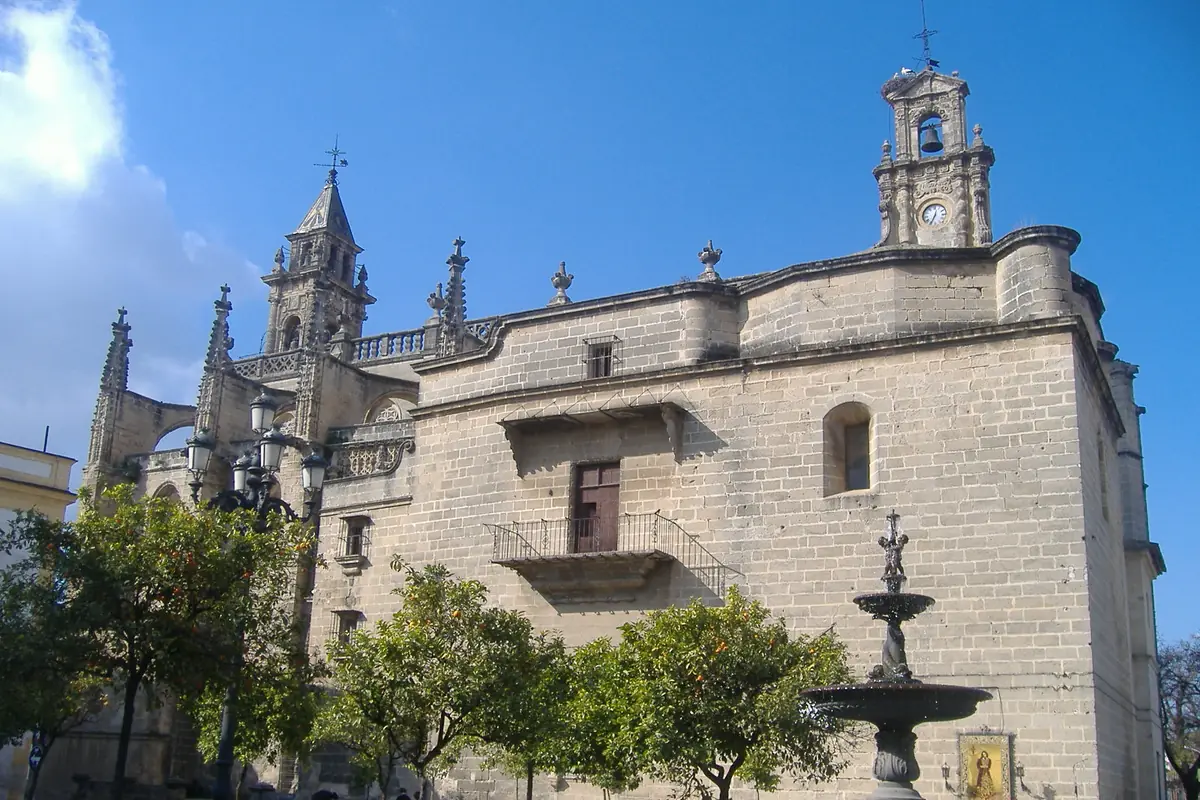
Jerez's flamenco story is usually told through two barrios, Santiago and San Miguel. The historian Pierre Lefranc writes that in the mid-15th century, as the reconquest of Muslim Spain neared its final stages, Triana grew substantially outside Seville's walls, and three similar new districts developed at Jerez and Cádiz. San Miguel and Santiago were the two at Jerez. Centuries later they, with Triana and Cádiz's Santa María, were among Andalusia's most important centres of Romani population and culture.
Why Romani families settled there
Lefranc thinks it highly probable that when Andalusian Romani families gave up nomadism, at some unknown point in the 16th or 17th century, they settled in these outer districts. The walled cities were closed to them at night. He also points to evidence of cultural exchange between minorities whose place in society was unsettled, among them professional minstrels, descendants of African slaves and converted Muslims. Romani families took up traditions that were losing their channels of transmission, and those entered the fabric of what became flamenco.
Where each barrio lies
San Miguel grew on the south side of the walled city, looking out toward the River Guadalete, while Santiago grew on the north side, with direct access to the farmland between Rota and Lebrija. Lefranc places Santiago around Calle Merced and its neighbours, and San Miguel to the west of the Plaza San Miguel. Romani residents of San Miguel often call it the Plazuela, the small square, which he describes as a plazuela of the mind.
San Miguel: individualists
Lefranc finds San Miguel's cumulative achievement leaning toward the forceful expression of naked grief, with a note of revolt. He names Manuel Molina, who left no fewer than five seguiriyas, and El Loco Mateo, who reoriented the form, and credits Merced La Serneta with refounding the soleá around emotion. Antonio Chacón, though not Romani, was also born there. Lefranc calls San Miguel a cradle of individualists.
Santiago: dynasties
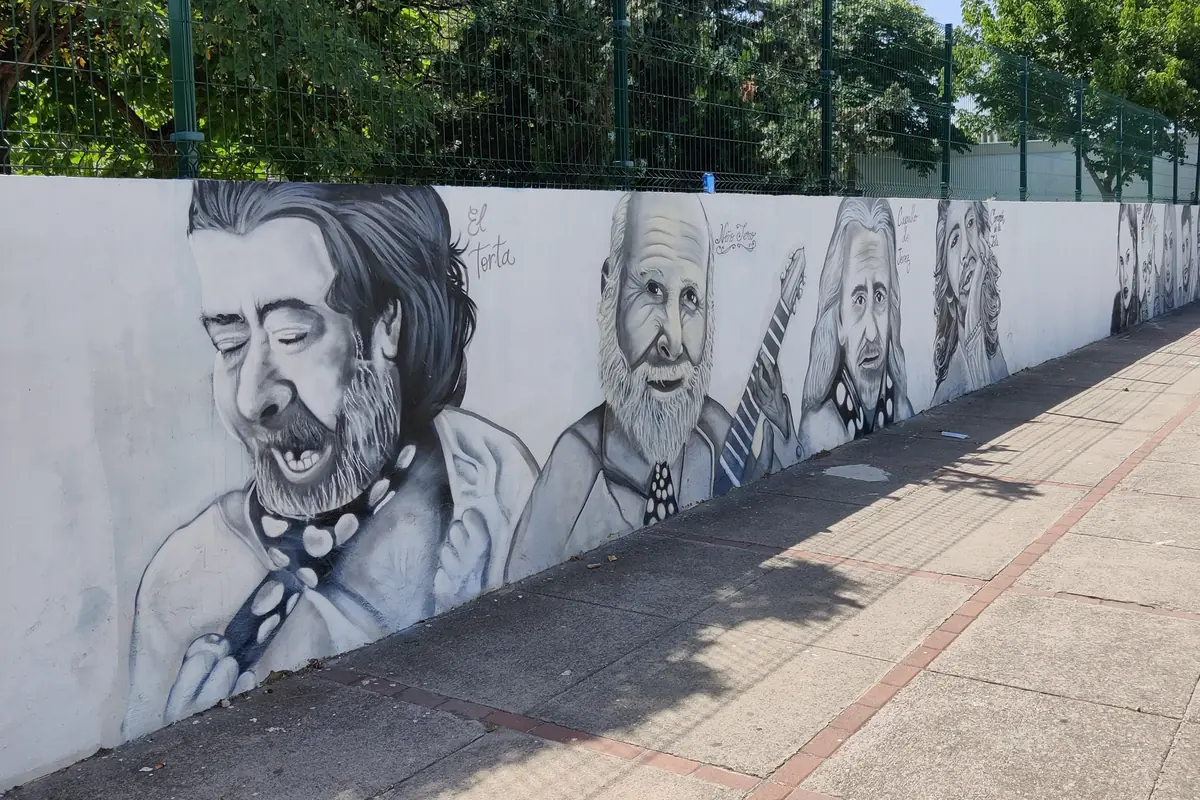
Santiago's legacy, in his account, is different. It is a network of families and a cluster of cantes, with grief both vented and controlled. He names Paco la Luz and José de Paula, and the families and singers Borrico, Terremoto, Sernita, the Pableras and the Sorderas, down to José Mercé and Fernando de la Morena, who were the singers of his own day. Where San Miguel offers a succession of individualists, he says, Santiago deploys dynasties who treat cante as a family heirloom.
Estates and the festive palo
Lefranc suggests part of the contrast lies in work. San Miguel remained hemmed in by urban trades such as the forge and the butcher's, while from the 19th century, perhaps earlier, great landowners hired Romani work teams organised around families or even a street, run by foremen called manijeros. In the evening and in bad weather those teams fell back on song, without guitars, mostly seguiriyas and soleares plus the fast festive palo, with a few tonás. Mechanisation ended this in the 1960s. In festive song he finds Santiago firing off apparently inexhaustible salvoes of that fast palo, while San Miguel leans toward a more austere version for listening.
Seeing the barrios today
The Jerez tourist office suggests strolling the streets and squares of San Miguel and Santiago to understand how flamenco belongs to everyday life in the city, and lists tablaos, tabancos and peñas as places to hear it. These are living residential districts rather than a museum, so walk quietly.
Where this account comes from
The account in this guide follows an article by Pierre Lefranc, a former professor of English literature at several universities in France, North America and Africa, whose interest in flamenco began in 1955. It first appeared in the magazine Flamenco International, and the author brought its last paragraph and sources up to date in November 2007. Treat it as one scholar's reading, grounded in his book on the cante jondo and in Spanish historical studies, not as the last word on Jerez.
Reading the names you will meet
Many of the singers Lefranc names are known mainly by nicknames or family names, such as El Loco Mateo, Borrico, Terremoto or La Paquera. The tourist office lists several of them as Jerez's great names. You will not need to learn them for an evening, but Lefranc calls the families and the neighbourhoods the two constants of flamenco life in Jerez, which explains why the names keep coming up.
Sources