Getting there and the evening itself
Flamenco in Jerez: what to expect
Why Jerez is a flamenco city, how to reach it by train or air, how a tablao evening runs and how to follow the show without Spanish.
Reserve a place at the tablao ↗Quick answer
Jerez claims to be flamenco's birthplace, and a tablao show here runs about an hour. Reach the city by train from Seville, Madrid or Cádiz, or through its own airport. Arrive early enough to order your drink, listen while the singer works and clap only when the rhythm invites it. You do not need Spanish: the guitar, the dance and the rhythm carry the show.
Why Jerez for flamenco
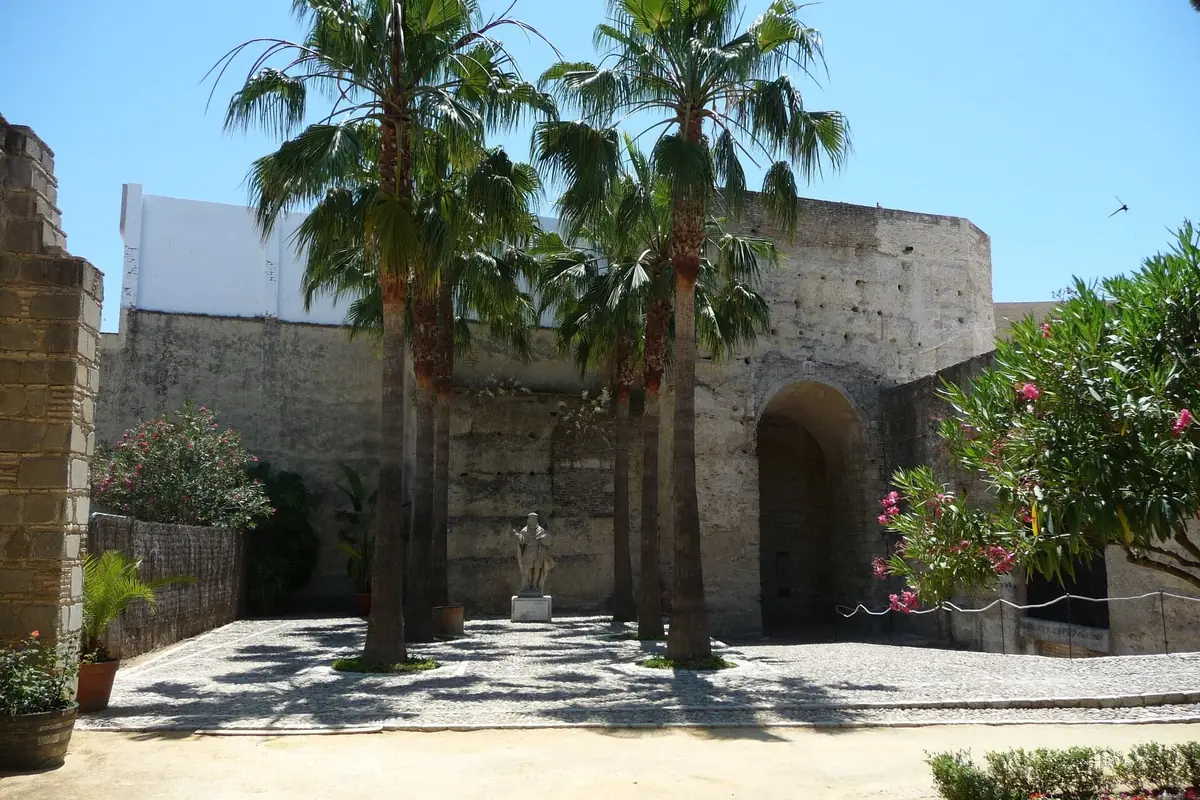
Jerez de la Frontera, in the province of Cádiz, has a strong claim to being flamenco's birthplace. Its tourist office calls it exactly that, and lists Tío Borrico, Antonio Chacón, Terremoto, La Paquera and Fernando de la Morena among the names that took Jerez's flamenco around the world. UNESCO placed flamenco on its Representative List in 2010, calls Andalusia its heartland and credits the Roma community with an essential part in shaping it. Seeing a show in Jerez means hearing it in the city whose families shaped it.
The barrios behind the sound
Two old districts, Santiago and San Miguel, are the heart of Jerez flamenco. The tourist office suggests strolling their streets and squares to understand how flamenco belongs to everyday life in the city. The historian Pierre Lefranc traces both to districts that grew outside the walls from the mid-15th century, where Romani families settled and, in Santiago especially, dynasties of singers formed. Lola Flores and José Mercé, two of the best-known names from Jerez, belong to that tradition. The barrios guide on this site tells the story in full.
Read next: Santiago and San Miguel: Jerez barrios
Getting to Jerez
Jerez's main railway station dates from 1854. Long-distance trains link it with Seville and Madrid, and the Cercanías Cádiz commuter line also serves it. The airport, Aeropuerto de Jerez (code XRY), lies about 9 km north-east of the city and has its own railway stop, while the buses between airport and city are described as infrequent. Check the current timetable before you travel, since services change. Tablao Puro Arte is at Calle Madre de Dios 10, which the city's tourism site places in the centre of town. Put the address into a maps app, since your confirmation shows the meeting point, and take a taxi if you are coming from the station or further out.
How the evening runs
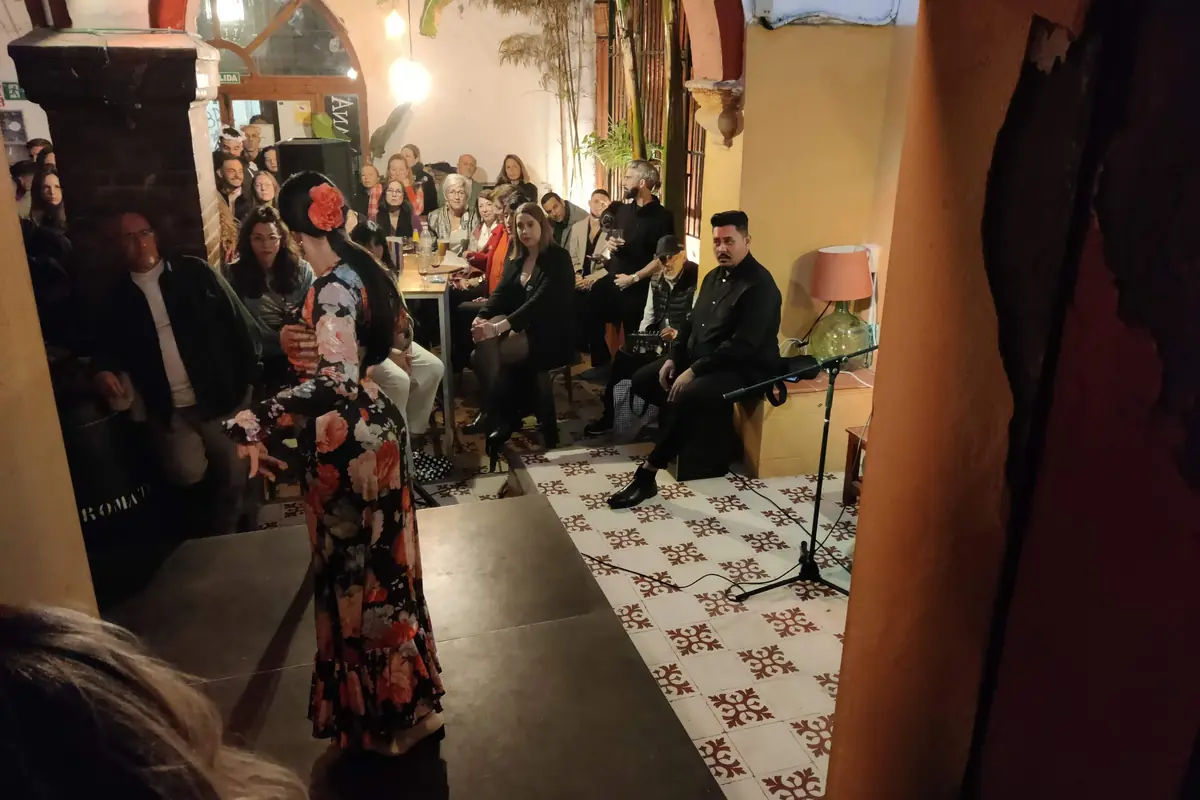
Allow time to settle into your seat and order. The ticket includes one drink, which can be wine, beer or a soft drink, and on a menu ticket your lunch or dinner is served before or after the show, because the kitchen does not serve while the artists perform. The show itself runs for about an hour. The start time, which differs from day to day, is on your confirmation and in the booking calendar, so check it before you travel. The venue's own site notes limited capacity, which is one more reason to arrive early.
Following the show without Spanish
Flamenco has three strands: singing (cante), dancing (baile) and guitar playing (toque). UNESCO describes the lyrics as short and plain, running from grief to rejoicing, so even without the words you can follow the mood. Palmas, hand-clapping, mark the compás, the repeating rhythmic cycle of each style, or palo. You do not need to count the beats. Watch how the guitarist and the clapping lock together, and how the dancer's footwork answers the singer. Short shouts of encouragement, such as olé, are called jaleo and belong to the performance.
Read next: Palos you may hear: soleá to martinete
What each artist does
UNESCO's description gives a clear picture of the three jobs on stage. The singer performs the cante, preferably seated and without backing singers, with brief, simple lyrics. The dancer's baile ranges from sadness to joy, and the footwork is part of the rhythm. The guitarist's toque has grown beyond accompaniment into a voice of its own, with hand-clapping and foot-stamping filling out the sound. Watching all three at once, not only the dancer, is the quickest way to feel why the hour holds together.
Words worth knowing
A few Spanish terms come up again and again in flamenco, in programme notes, from the artists and in the guides on this site. Knowing them makes the hour easier to follow, and none of them needs more than a sentence to learn. Keep the list in mind and the programme notes will read like plain English. Here are the ones that matter most. You will also meet them on the tourist office's pages and on festival posters, which is another good reason to learn them now.
- Cante: the song. Baile: the dance. Toque: the guitar
- Palo: one flamenco style, each with a rhythm and mood of its own
- Compás: the repeating rhythmic cycle of a palo
- Palmas: hand-clapping that keeps the compás
- Jaleo: shouts of encouragement such as olé
- Tablao: a venue built for flamenco shows
- Peña: a flamenco club. Tabanco: a traditional sherry bar
Manners in the room
Think of the hour as a concert. Listen while the singer works and keep conversation for the gaps between pieces. Flamenco audiences do take part, but through the rhythm: clapping on the beat only if you can feel it, and a quiet olé when a phrase lands. If in doubt, watch the other guests and follow the room. Rules on photos and video depend on the venue.
- Order your drink before the artists begin
- Switch your phone to silent
- Ask the staff before you film; photo and video rules are the venue's to set
- Wait for the end of a phrase before applauding
A day and an evening around the show
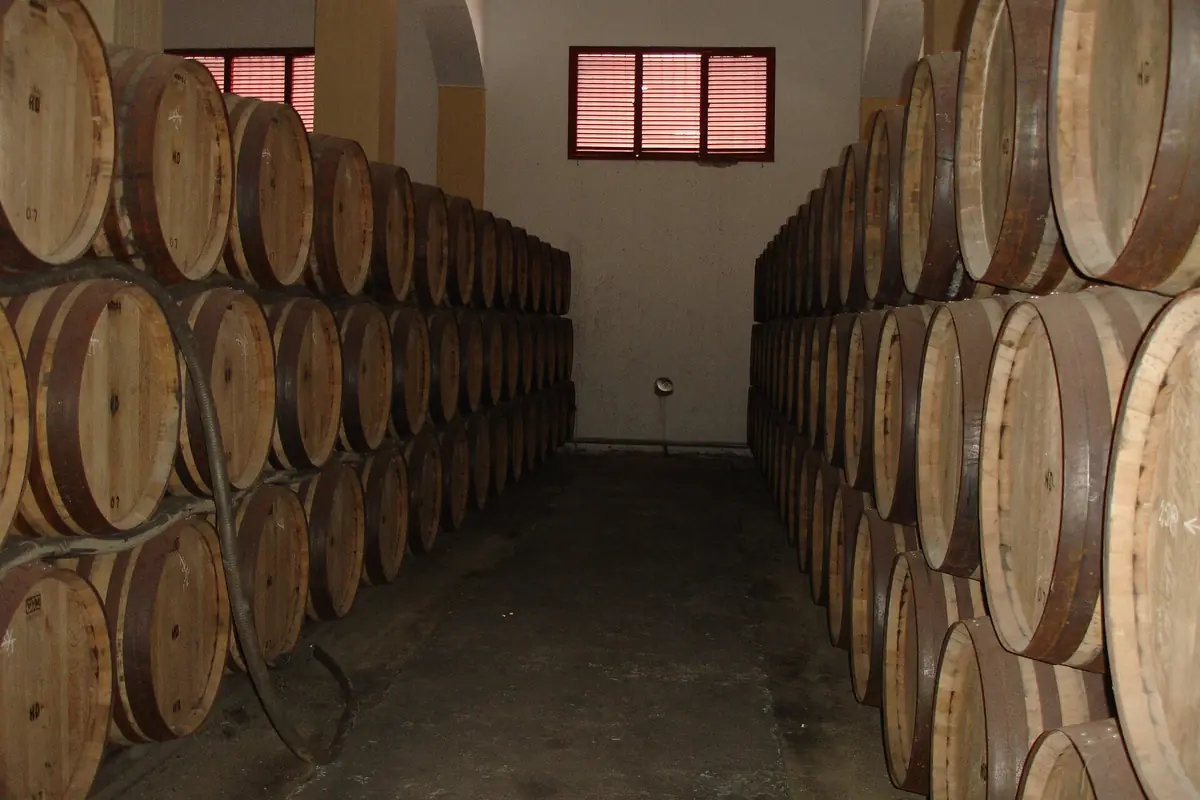
Jerez rewards a day before the show. The Alcázar, a Moorish fortress, and the cathedral are among the city's landmarks, and the wine cellars that give the city its nickname, the cathedrals of wine, run visits. The old sherry bars, the tabancos, serve tapas and often have flamenco sung, so a tabanco before or after the show fills the evening without a second ticket. Leave a gap before the performance so that it is the centre of the day, and give yourself time to reach the tablao without hurrying. The sherry guide on this site explains the wine side for first-time visitors.
Read next: Sherry, bodegas and a flamenco evening
Access, families and full dates
Wheelchair access is marked on the ticket, and the regional tourist board describes the show as suited to fans of all ages. Tell the venue about any mobility needs before your date, and use the calendar on the booking page to spot dates that are still open. Groups should book together on the same date and time, since seating is limited. If the date you want is full, try another time on the same day, because some days carry more than one slot, or turn to the other options the tourist office lists: more tablaos, tabancos and peñas. A second tablao appears as a card on the home page, so you can compare the two before you commit to a date.
Who this isn't for
If you want flamenco on a vast stage with lights and a big cast, a theatre production will suit you better than a one-hour tablao show. If you cannot stay seated for an hour, the format will frustrate you. And if you expect a long dinner with the show running in the background, remember that here the music takes the room while the kitchen waits. The show lasts about an hour, so plan something for afterwards, perhaps a tabanco, if you want a longer evening.
Frequently asked questions
How do I get from Seville to Jerez?
By train. Long-distance services call at Seville Santa Justa on the way to Jerez. Check the timetable for your date, because services change.
Is Jerez airport close to the city?
Aeropuerto de Jerez lies about 9 km north-east of the city and has its own railway station. Buses to the city are described as infrequent, so check onward options before you land.
Do I need to speak Spanish to follow flamenco?
Not at all. The lyrics are sung in Spanish, but guitar, dance and rhythm carry the show, and the palos guide on this site describes how each style sounds.
What should I wear?
Wear whatever is comfortable for an hour of sitting. The show takes place in a wine cellar in the centre of Jerez.
Can I take photos or video?
Ask the staff before the show begins. Rules on photos and video are set by the venue.
Why do people call Jerez the birthplace of flamenco?
The city's tourist office uses the phrase, and families of singers from its Santiago and San Miguel barrios shaped several palos. Written evidence from the earliest period is thin, so treat it as a strong local claim.
Sources
- City of Jerez tourism site: flamenco in Jerez
- City of Jerez tourism site: the flamenco year
- UNESCO Representative List entry on flamenco (inscribed 2010)
- The tablao's own website, English version
- English Wikipedia article on Jerez railway station
- English Wikipedia article on Jerez Airport
- English Wikipedia article on jaleo